
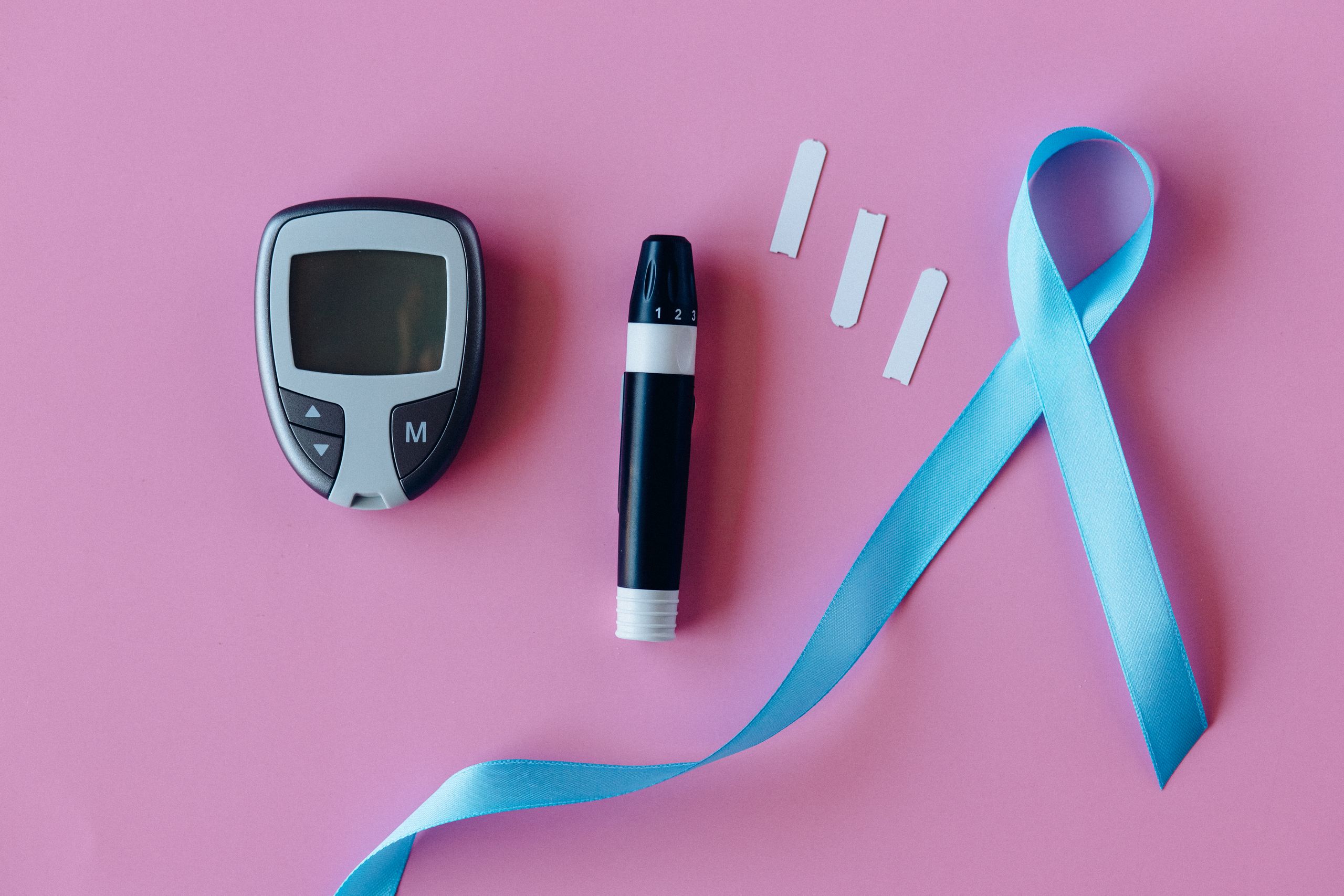
Signs of Insulin Resistance: 9 Warning Signs to Know in 2026
Most people with insulin resistance have no idea they have it. There’s no pain, no rash and no obvious alarm bell. The NIDDK says people with insulin resistance and prediabetes usually have no symptoms at all. That’s exactly why it pays to know the signs of insulin resistance that do show up, in your body and in your blood tests, before it turns into type 2 diabetes. This guide covers the nine signs worth watching, what they really mean, and when to ask your GP for a test.
Insulin resistance is usually silent. The clearest signs of insulin resistance are a large waist, dark, velvety skin patches, lots of skin tags, high blood pressure, and blood test results such as a raised HbA1c, high triglycerides, or low HDL cholesterol. Tiredness and cravings are common but don’t prove it. If you have two or more signs or risk factors, ask your GP for an HbA1c test.
What’s New in Insulin Resistance Research for 2026
The big shift in 2026 is a more honest view of symptoms. A review from insulinresistance.org, published in October 2026, makes a clear split. Physical signs such as acanthosis nigricans and skin tags have research behind them. Felt symptoms such as fatigue, brain fog and cravings are often listed online, but none has been shown to reliably point to insulin resistance.
The same review notes that polycystic ovary syndrome is now also called polyendocrine metabolic ovarian syndrome (PMOS), and insulin resistance is a recognised part of it.
Mayo Clinic’s prediabetes guide, updated in September 2026, still lists waist size as one of the most useful warning signs. And the older lesson from the Diabetes Prevention Program still holds: losing 5% to 7% of your starting weight helped people at high risk lower their chance of type 2 diabetes. Crandall JP, Dabelea D, Knowler WC, et al. The Diabetes Prevention Program and Its Outcomes Study: NIDDK’s Journey Into the Prevention of Type 2 Diabetes and Its Public Health Impact. Diabetes Care. 2025;48(7):1101-1111
What Is Insulin Resistance?
Insulin is a hormone made by your pancreas. After you eat, it acts like a key that lets sugar move from your blood into your cells, where it’s used for energy.
Insulin resistance happens when those cells stop answering the key properly. Your pancreas makes more and more insulin to push the sugar in. For a while, that extra effort keeps your blood sugar normal, which is why most people feel fine.
Over time, the pancreas can’t keep up. Blood sugar starts to creep up into the prediabetes range, and later the type 2 diabetes range. Insulin resistance also links to high blood pressure, fatty liver disease and heart disease. Welty FK. (2013) How Do Elevated Triglycerides and Low HDL-Cholesterol Affect Inflammation and Atherothrombosis? Curr Cardiol Rep. 15(9):400.
Diabetes UK describes the opposite of this as insulin sensitivity. The more sensitive your cells are to insulin, the less your body has to make. The good news is that sensitivity can get better when you change how you eat and move. That’s why spotting the early clues matters so much.
Physical Signs of Insulin Resistance You Can See
These are the signs most often linked to insulin resistance by Mayo Clinic, the NIDDK and the CDC. None of them proves you have it, but each one is a reason to look closer.
Sign 1: A large waist
Where you carry weight matters more than what you weigh. Fat stored around your middle is closely tied to insulin resistance. Mayo Clinic says the risk goes up for men with a waist over 40 inches and for women with a waist over 35 inches.
Measure around your belly at the level of your belly button, standing up and breathing out gently. It’s a free check you can do tonight.
Sign 2: Dark, velvety patches of skin
This is called acanthosis nigricans. It shows up as darker, thick, velvety skin, often on the back or sides of the neck, in the armpits or in the groin. High insulin levels can make skin cells grow faster in these folds. It’s one of the few signs with solid research behind it. (Radu AM, Carsote M, Dumitrascu MC, et al. (2022) Acanthosis Nigricans: Pointer of Endocrine Entities. Diagnostics. 12(10):2519. doi:10.3390/diagnostics12102519.
Sign 3: Lots of skin tags
Skin tags are small, soft flaps of skin that hang off the body, often on the neck, eyelids or armpits. One or two is common. Many skin tags, especially alongside dark skin patches, are more common in people with insulin resistance. Barbato MT, Criado PR, Silva AK, et al. 2012 Association of acanthosis nigricans and skin tags with insulin resistance. An Bras Dermatol.;87(1):97-104.
Sign 4: High blood pressure
High blood pressure often travels with insulin resistance. Both are part of a cluster called metabolic syndrome. If your GP or pharmacist has told you your blood pressure is high, it’s worth checking your blood sugar too.
Signs of Insulin Resistance in Your Blood Tests
Some of the clearest clues don’t show on the outside at all. They show up in routine blood tests your GP may already have done.
Sign 5: A raised HbA1c or fasting glucose
HbA1c shows your average blood sugar over two to three months. In the UK, a result from 42 to 47 mmol/mol means you’re at risk of type 2 diabetes. In the US, the NIDDK uses an A1C between 5.7% to 6.4% to define prediabetes. Either way, a creeping HbA1c is a strong hint your body is struggling with insulin.
National Institute of Diabetes and Digestive and Kidney Diseases (NIDDK). Recommended Tests for Identifying Prediabetes. Prediabetes is defined by an HbA1c of 5.7%-6.4%, fasting glucose of 100-125 mg/dL, or 2-hour glucose of 140-199 mg/dL.
Sign 6: High triglycerides and low HDL cholesterol
Triglycerides are a type of fat in your blood. HDL is the “good” cholesterol. A pattern of high triglycerides with low HDL is common in people with insulin resistance. Check your last cholesterol result and ask your GP what the numbers mean for you. Azarpazhooh MR, Najafi F, Darbandi M, et al. 2021 Triglyceride/High-Density Lipoprotein Cholesterol Ratio: A Clue to Metabolic Syndrome, Insulin Resistance, and Severe Atherosclerosis. Lipids. 56(4):405-412; Paublini H, López González AA, Busquets-Cortés C, et al. 2023 Relationship between Atherogenic Dyslipidaemia and Lipid Triad and Scales That Assess Insulin Resistance. Nutrients.15(9):2105.
Sign 7: Signs of fatty liver
Fatty liver disease means fat builds up inside the liver. It often shows up as slightly raised liver enzymes on a blood test, or on a scan done for another reason. It’s closely linked to insulin resistance and to carrying weight around the middle.
Why there isn’t one simple test
Health professionals don’t routinely test for insulin resistance itself. The tests that measure it directly are mostly used in research. In everyday practice, your GP looks at your HbA1c, fasting glucose, cholesterol, blood pressure and waist together to build a picture.
How You Might Feel: Symptoms People Report
Sign 8: Tiredness, hunger and cravings after meals
Diabetes UK says you may not have any symptoms of insulin resistance, but some people notice tiredness, difficulty concentrating and hunger. Others report energy crashes after meals, brain fog or strong sugar cravings.
Be careful with this one. These feelings are real, but they have many causes, from poor sleep to stress to low iron. The 2026 review on insulinresistance.org found that fatigue and cravings are not reliable ways to identify insulin resistance on their own.
So treat them as a nudge, not a diagnosis. If you crash after carb-heavy meals and also have a large waist or a family history of diabetes, that’s worth a conversation with your GP.
Sign 9: PCOS or a history of gestational diabetes
For women, two health histories are strong signs. Polycystic ovary syndrome (PCOS) is closely linked to insulin resistance. Having had gestational diabetes in pregnancy also raises your future risk of type 2 diabetes. If either applies to you, regular blood sugar checks make sense.
Symptoms That Mean Blood Sugar Is Already High
Some symptoms you’ll see on lists of insulin resistance symptoms actually come from high blood sugar. They tend to show up later, once you’ve crossed into diabetes or are close to it.
- Greater thirst: you feel thirsty all the time.
- Frequent urination: you need to wee more, including at night.
- Blurred vision: high sugar affects the lens of the eye.
- Unexplained weight loss: you lose weight without trying.
- Tingling or numbness: in your hands or feet.
- Frequent infections: such as thrush or slow-healing cuts.
If you have any of these, don’t wait. Book a GP appointment and ask for a blood sugar test soon.
Risk Factors That Raise Your Chances
Risk factors aren’t signs, but they matter just as much. The NIDDK and Mayo Clinic list the same main ones.
- Excess weight: especially around the waist.
- Lack of physical activity: muscles that don’t work burn less sugar.
- Family history: a parent or sibling with type 2 diabetes.
- Age: risk rises as you get older.
- Ethnic background: people of South Asian, African-Caribbean or Black African descent have a higher risk.
- Other conditions: PCOS, sleep apnoea, Cushing’s syndrome and some medicines, such as steroids.
Sleep apnoea deserves a mention. It disrupts sleep through the night, and people with it are at higher risk of insulin resistance. Loud snoring and daytime sleepiness are clues.
The more risk factors you have, the more the signs above deserve your attention.
When to Ask Your GP for a Test
You don’t need to wait for symptoms. Ask your GP for an HbA1c blood test if you:
- Have a waist over 40 inches (men) or 35 inches (women)
- Notice dark velvety skin patches or lots of skin tags
- Have high blood pressure or high triglycerides
- Have PCOS or had gestational diabetes
- Have a parent or sibling with type 2 diabetes
A single blood test can show whether you’re in the normal range, the at-risk range or the diabetes range. If it’s in the at-risk range, that’s the best time to act, because insulin resistance responds well to change.
The CDC and NIDDK both point to the same steps to reverse insulin resistance: regular physical activity, eating more whole foods, better sleep and losing some weight if you carry extra around the middle. A nutritional therapist can help turn those general tips into a plan that fits your week.
References:
1. Crandall JP, Dabelea D, Knowler WC, et al. The Diabetes Prevention Program and Its Outcomes Study: NIDDK’s Journey Into the Prevention of Type 2 Diabetes and Its Public Health Impact. Diabetes Care. 2025;48(7):1101-1111.
2. Radu AM, Carsote M, Dumitrascu MC, et al. Acanthosis Nigricans: Pointer of Endocrine Entities. Diagnostics. 2022;12(10):2519.
3. Barbato MT, Criado PR, Silva AK, et al. Association of acanthosis nigricans and skin tags with insulin resistance. An Bras Dermatol. 2012;87(1):97-104.
4. Azarpazhooh MR, Najafi F, Darbandi M, et al. Triglyceride/High-Density Lipoprotein Cholesterol Ratio: A Clue to Metabolic Syndrome, Insulin Resistance, and Severe Atherosclerosis. Lipids. 2021;56(4):405-412.
5. Paublini H, López González AA, Busquets-Cortés C, et al. Relationship between Atherogenic Dyslipidaemia and Lipid Triad and Scales That Assess Insulin Resistance. Nutrients. 2023;15(9):2105.
6. National Institute of Diabetes and Digestive and Kidney Diseases (NIDDK). Recommended Tests for Identifying Prediabetes.
7. Welty FK. (2013) How Do Elevated Triglycerides and Low HDL-Cholesterol Affect Inflammation and Atherothrombosis? Curr Cardiol Rep. 15(9):400.
FAQ
What are the first signs of insulin resistance?
The first signs of insulin resistance are often things you can see or measure, not feel. A growing waist, dark velvety skin on the neck or armpits, and new skin tags are common early clues. A blood test may show a rising HbA1c or high triglycerides long before you notice any symptoms.
Can you have insulin resistance with normal blood sugar?
Yes. In the early stages, your pancreas makes extra insulin to keep blood sugar normal. That’s why a normal blood sugar result doesn’t always rule it out. If you have a large waist, skin changes or a strong family history, talk to your GP about what else to check.
How is insulin resistance diagnosed?
GPs don’t usually test for insulin resistance directly. Instead, they look at your HbA1c, fasting blood glucose, cholesterol, blood pressure, waist size and family history together. A raised HbA1c in the 42 to 47 mmol/mol range is often the first clear sign that insulin resistance is affecting your blood sugar.
Can you reverse insulin resistance?
In many people, yes. Insulin sensitivity improves with regular physical activity, meals built around whole foods, better sleep and losing weight around the middle. The Diabetes Prevention Program found that losing 5% to 7% of starting weight lowered the chance of type 2 diabetes in high-risk adults.
Does insulin resistance make you tired?
Some people with insulin resistance report tiredness, especially after meals. But tiredness has many causes, and research hasn’t shown it to be a reliable sign of insulin resistance on its own. If you’re tired and also have other signs, such as a large waist, a blood test is the best next step.
Verdict on Insulin Resistance and Prediabetes
The most useful signs of insulin resistance are the ones you can see and measure: a large waist, dark velvety skin patches, lots of skin tags, high blood pressure and blood test results that are starting to drift. Feeling tired or craving sugar may be part of the picture, but they can’t tell you on their own.
If two or more of these signs fit you, don’t guess. Ask your GP for an HbA1c test. A result in the at-risk range is not bad news. It’s an early warning at the point where change works best.
From there, the work is about steady daily habits. A personal plan built around how you actually live makes those habits far easier to keep.
Related Reading
- How to Reverse Insulin Resistance in 2026 (Step-by-Step Guide)
- Insulin Resistance Diet: What to Eat (and When) in 2026
- Prediabetes Symptoms: Why Most People Miss Them in 2026
This article is general information, not medical advice. If you take medicines for diabetes or blood pressure, speak to your GP before making big changes to your diet.
Get Personal Help With Your Blood Sugar
Miroslav Petrov is a nutritional therapist and health coach at The Tree of Life. He helps people with insulin resistance, prediabetes and type 2 diabetes build eating habits that steady their blood sugar and fit real life. Sessions run in person or online.
Book a free discovery call to talk through your goals, or read more about the blood sugar and insulin resistance programme. Prefer to talk? Call or text 07455 763 274.


